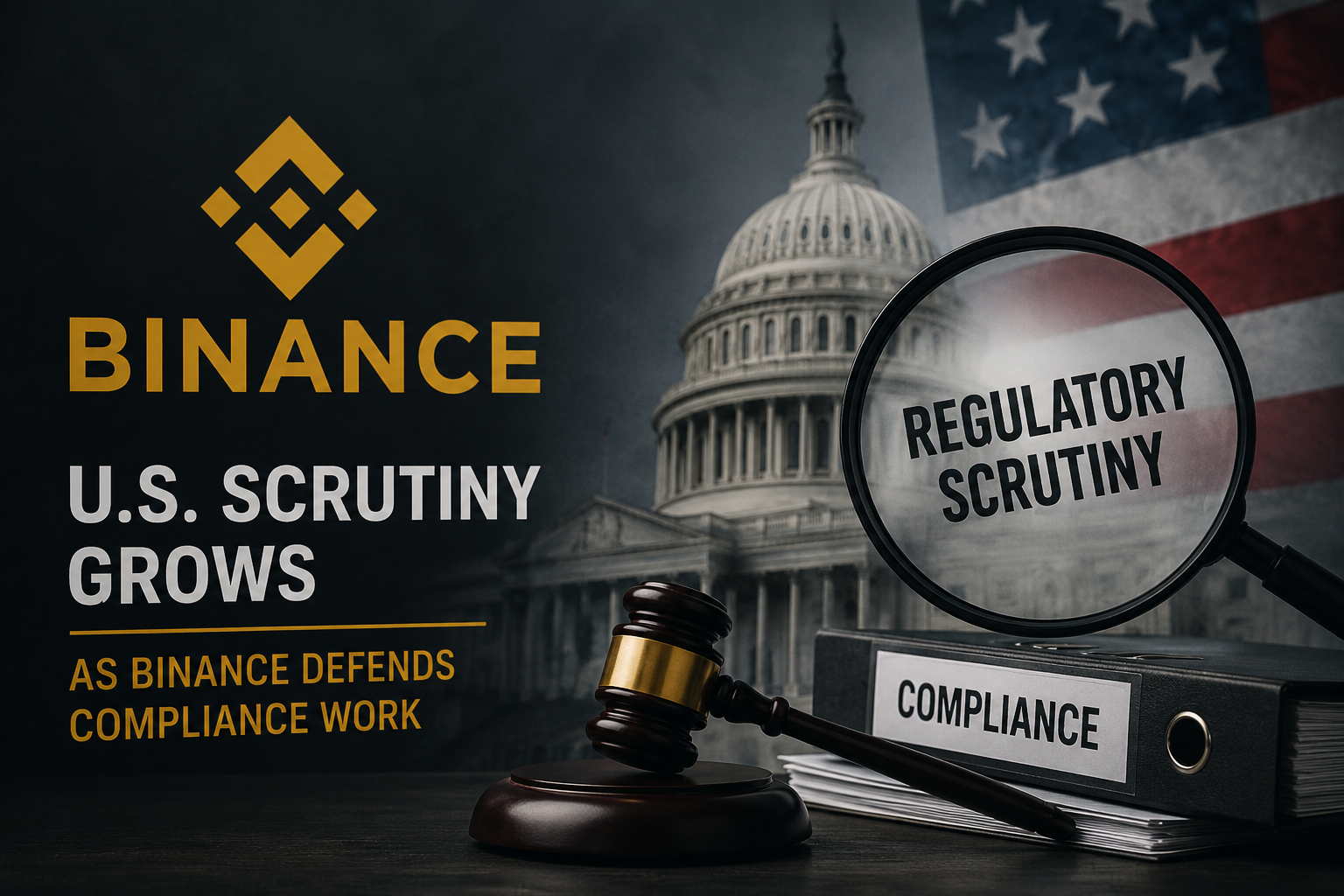
The global cryptocurrency industry continues to face increasing regulatory attention, and few companies are under as much pressure as Binance. Over the past few years, the world’s largest crypto exchange has found itself at the center of multiple investigations, legal challenges, and compliance debates, particularly in the United States. As U.S. scrutiny grows, Binance has intensified its efforts to defend its compliance work, arguing that it has transformed its operations, strengthened anti-money laundering controls, and improved transparency across its global business.
The crypto market has evolved rapidly from a largely unregulated financial frontier into an industry facing tighter oversight from governments and regulators worldwide. U.S. authorities have become increasingly focused on cryptocurrency exchanges due to concerns surrounding money laundering, sanctions violations, investor protection, and financial stability. Binance, because of its enormous global reach and trading volume, naturally became one of the primary targets of regulatory examination.
Despite the criticism and legal challenges, Binance insists that it is actively cooperating with regulators and investing heavily in compliance infrastructure. The company claims it has hired former law enforcement officials, expanded its compliance teams, implemented stricter Know Your Customer (KYC) procedures, and improved transaction monitoring systems. However, skepticism remains among regulators and financial watchdogs who continue to question whether crypto exchanges can effectively police illegal financial activity while maintaining the decentralized ethos of digital assets.
This growing confrontation between U.S. regulators and Binance reflects a larger battle over the future of cryptocurrency regulation. It also raises important questions about how crypto exchanges can balance innovation, user privacy, and legal obligations in a rapidly changing financial environment.
The Growing Regulatory Pressure on Binance
The increasing regulatory pressure on Binance did not emerge overnight. For years, governments around the world expressed concerns about the fast growth of cryptocurrency trading platforms operating across multiple jurisdictions with limited oversight. Binance’s rapid expansion allowed it to become a dominant force in digital asset trading, but that same growth also attracted the attention of regulators.
In the United States, agencies such as the Securities and Exchange Commission (SEC), the Commodity Futures Trading Commission (CFTC), and the Department of Justice have intensified their focus on crypto exchanges. Regulators have argued that some digital asset platforms may have failed to properly register operations, comply with securities laws, or implement adequate anti-money laundering safeguards.
Binance has repeatedly faced allegations related to compliance weaknesses, including accusations that the platform allowed suspicious transactions or failed to fully restrict users from sanctioned regions. These concerns became even more significant as governments increased efforts to combat financial crimes involving cryptocurrencies.
The exchange has consistently denied intentional wrongdoing and maintains that it has significantly improved its compliance standards. Binance argues that many criticisms are based on outdated practices from the early days of crypto when industry-wide regulations were less defined. According to the company, its current operations are far more sophisticated and aligned with international regulatory expectations.
Binance’s Defense of Its Compliance Efforts
As criticism intensified, Binance launched a strong public defense of its compliance operations. Company executives have repeatedly stated that Binance is no longer the same platform it was several years ago. They emphasize that the exchange has invested substantial resources into building one of the largest compliance teams in the cryptocurrency sector.
According to Binance, the company now employs thousands of professionals dedicated to compliance, cybersecurity, investigations, and regulatory cooperation. Many of these employees previously worked for government agencies, financial crime units, and law enforcement organizations. Binance argues that these hires demonstrate its commitment to operating responsibly within the global financial system.
The company also highlights its implementation of stricter anti-money laundering policies, enhanced Know Your Customer verification, and sophisticated blockchain analytics tools designed to detect suspicious activity. Binance says these measures help identify illegal transactions, fraud attempts, and sanctions violations more effectively than before.
Executives at Binance frequently argue that blockchain technology itself offers transparency advantages compared to traditional banking systems. Because blockchain transactions are permanently recorded on public ledgers, investigators can often trace transactions more easily than cash-based financial crimes. Binance claims it works closely with law enforcement agencies worldwide to assist investigations involving cybercrime, scams, and illicit finance.
However, critics argue that compliance improvements came only after regulators intensified pressure. Some policymakers believe Binance expanded too quickly without first establishing the governance standards expected from major financial institutions.
Why U.S. Regulators Are Intensifying Scrutiny
The growing scrutiny from U.S. regulators reflects broader concerns about the cryptocurrency industry’s impact on financial markets and national security. Policymakers increasingly worry that crypto exchanges may create risks related to consumer protection, market manipulation, sanctions evasion, and money laundering.
One major concern involves whether certain cryptocurrencies traded on exchanges qualify as securities under U.S. law. The SEC has repeatedly argued that many digital assets meet the legal definition of securities and should therefore be subject to federal regulations. Exchanges that list such assets may be required to register with regulators and comply with strict disclosure requirements.
Another critical issue involves sanctions compliance. Governments around the world, especially the United States, have strengthened enforcement efforts related to international sanctions. Regulators want to ensure that cryptocurrency platforms are not being used to bypass restrictions involving sanctioned individuals, entities, or countries.
Additionally, lawmakers remain concerned about the role of crypto in cybercrime. Ransomware attacks, fraud schemes, darknet markets, and illicit financial networks have increasingly used digital currencies for payments. While blockchain technology can assist investigators, regulators argue that exchanges must do more to prevent criminal misuse.
The collapse of several major crypto companies over the past few years also intensified calls for stricter oversight. High-profile failures damaged investor confidence and pushed regulators to adopt a tougher stance toward the entire industry, including Binance.
The Evolution of Crypto Compliance Standards
The cryptocurrency industry has undergone a dramatic transformation regarding compliance expectations. In the early years of Bitcoin and digital assets, many crypto businesses operated with minimal oversight. Regulations were unclear, and companies often prioritized growth and innovation over compliance infrastructure.
As cryptocurrencies entered mainstream finance, governments began developing more comprehensive frameworks for digital asset regulation. Today, major exchanges face increasing expectations similar to those imposed on traditional banks and financial institutions.
Modern crypto compliance now includes robust identity verification systems, transaction monitoring tools, sanctions screening, suspicious activity reporting, and cybersecurity protections. Exchanges are expected to maintain detailed records and cooperate with law enforcement investigations when necessary.
Binance argues that it has adapted to this evolving environment and now meets many global regulatory standards. The company states that it has strengthened internal governance, improved transparency, and worked proactively with regulators across multiple jurisdictions.
Still, critics question whether large international exchanges can effectively manage compliance across dozens of countries with varying legal requirements. Because cryptocurrency operates globally, exchanges often face complex challenges related to conflicting regulations and jurisdictional uncertainty.
The Impact on Binance’s Reputation
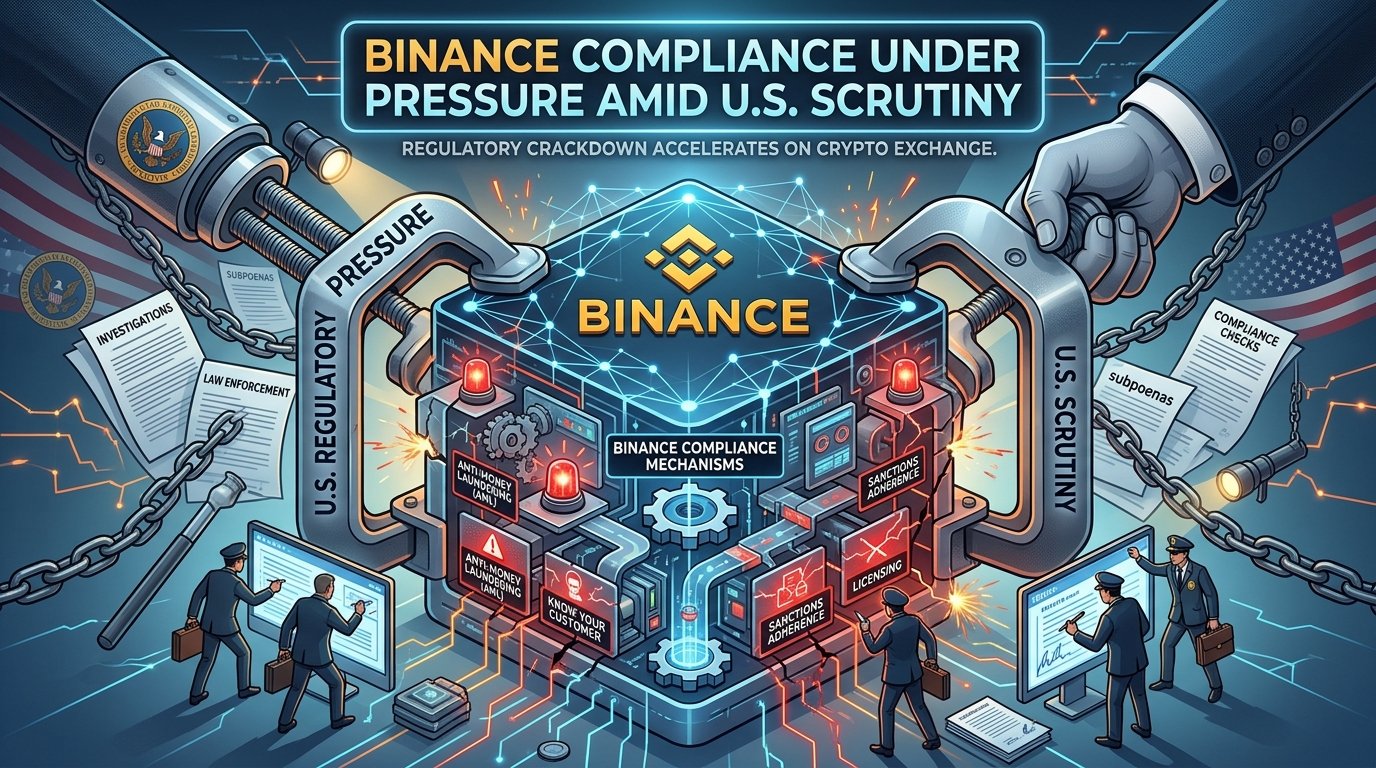
The ongoing scrutiny has had a significant impact on Binance’s public reputation. Although the exchange remains one of the largest players in the crypto market, legal battles and regulatory headlines have created uncertainty among investors, institutions, and users.
Some customers worry about potential restrictions, penalties, or operational disruptions that could affect trading services. Institutional investors, in particular, often prioritize regulatory clarity before engaging heavily with crypto platforms. Continued investigations can therefore influence market confidence and business partnerships.
At the same time, Binance still maintains a massive global user base and continues to play a central role in cryptocurrency trading. Many users appreciate the platform’s liquidity, extensive token offerings, and technological infrastructure. Supporters argue that Binance has become a target partly because of its size and influence within the industry.
The exchange’s leadership frequently emphasizes its willingness to evolve and comply with emerging regulations. Binance representatives often portray the company as a maturing business adapting to the realities of a more regulated crypto ecosystem.
Public perception remains divided. Some view Binance as a company making genuine efforts to improve compliance, while others see it as an example of the crypto industry’s historical resistance to regulation.
Binance and the Future of Global Crypto Regulation
The situation surrounding Binance could significantly influence the future direction of global cryptocurrency regulation. Governments worldwide are closely watching how regulators handle major crypto exchanges and how companies respond to enforcement actions.
If regulators successfully impose stricter standards on Binance, other exchanges may face increased pressure to strengthen compliance programs. This could accelerate the institutionalization of the crypto sector and push digital asset businesses closer to traditional financial regulatory models.
Some industry experts believe stricter oversight may ultimately benefit the crypto market by improving investor trust and reducing illegal activity. Greater regulatory clarity could encourage institutional adoption and long-term stability within the industry.
Others warn that overly aggressive regulation could stifle innovation and drive crypto businesses toward jurisdictions with looser oversight. The decentralized nature of cryptocurrency makes global enforcement particularly challenging, and inconsistent regulations between countries may create further complications.
Binance’s ongoing legal and regulatory battles may therefore become a defining moment for the broader crypto industry. The outcome could shape how governments approach digital asset regulation for years to come.
The Role of Compliance in Crypto’s Mainstream Adoption
Compliance has become one of the most important factors determining whether cryptocurrency can achieve broader mainstream adoption. Financial institutions, corporations, and regulators increasingly expect crypto businesses to demonstrate strong governance and risk management practices.
For years, critics argued that cryptocurrency was primarily associated with speculation and illicit finance. The industry has worked aggressively to change that perception by promoting transparency, institutional partnerships, and regulatory engagement.
Binance’s defense of its compliance work reflects this broader industry shift. The company understands that long-term growth depends not only on technological innovation but also on regulatory legitimacy. Without regulatory trust, crypto platforms may struggle to access banking services, institutional capital, and mainstream financial integration.
Governments are unlikely to allow cryptocurrency markets to operate entirely outside existing financial regulations. As a result, exchanges must increasingly function like regulated financial institutions while still supporting the decentralized principles that attracted many crypto users in the first place.
This balancing act remains one of the biggest challenges facing the digital asset industry today.
Market Reactions to Binance Regulatory News
The cryptocurrency market often reacts strongly to regulatory developments involving Binance. News about investigations, lawsuits, settlements, or compliance actions can trigger sharp price volatility across Bitcoin, altcoins, and crypto-related stocks.
Investors closely monitor regulatory headlines because Binance plays such a central role in global crypto liquidity. Concerns about operational restrictions or enforcement actions can create uncertainty across the broader market.
At the same time, positive developments related to compliance improvements or regulatory cooperation can sometimes boost market confidence. Many investors believe that clearer rules may ultimately strengthen the crypto ecosystem by reducing uncertainty and attracting institutional participation.
The relationship between regulation and market sentiment remains highly complex. While some traders fear increased oversight, others see regulatory maturity as necessary for the industry’s long-term survival.
Challenges Binance Continues to Face
Despite its defense of compliance improvements, Binance still faces substantial challenges moving forward. Regulatory investigations remain ongoing in several jurisdictions, and legal uncertainties continue to affect the company’s future strategy.
One challenge involves maintaining consistent compliance standards across a global business serving users in multiple countries. Different governments have varying approaches to cryptocurrency regulation, making international operations extremely complicated.
Another challenge involves rebuilding trust with regulators and institutional partners. Even if Binance strengthens its internal controls, skepticism may persist due to past controversies and ongoing enforcement actions.
Competition also continues to increase within the crypto industry. Rival exchanges are emphasizing regulatory compliance as a competitive advantage, particularly when targeting institutional investors.
Furthermore, the broader crypto market remains vulnerable to sudden regulatory changes. New legislation or enforcement policies could significantly impact how exchanges operate in major financial markets.
Conclusion
The growing U.S. scrutiny surrounding Binance represents one of the most important regulatory confrontations in the modern cryptocurrency industry. As authorities intensify oversight of digital asset platforms, Binance continues defending its compliance work and arguing that it has evolved into a more mature and responsible organization.
The exchange’s efforts to strengthen anti-money laundering controls, improve Know Your Customer procedures, and cooperate with law enforcement highlight the increasing importance of compliance in the crypto sector. At the same time, regulators remain cautious about whether cryptocurrency exchanges can fully meet the standards expected within the global financial system.
This ongoing battle between innovation and regulation will likely shape the future of cryptocurrency markets worldwide. Binance’s ability to navigate legal scrutiny, rebuild trust, and adapt to evolving regulations may determine not only its own future but also the broader direction of the digital asset industry.
As crypto adoption continues expanding globally, compliance will remain at the center of discussions involving investor protection, financial security, and market stability. The outcome of Binance’s regulatory challenges could ultimately define how governments and crypto companies coexist in the years ahead.
FAQs
Q. Why is Binance facing increased U.S. scrutiny?
Binance is facing increased scrutiny due to concerns involving regulatory compliance, anti-money laundering controls, sanctions enforcement, and whether certain cryptocurrencies qualify as securities under U.S. law.
Q. What compliance measures has Binance implemented?
Binance says it has strengthened Know Your Customer procedures, expanded anti-money laundering systems, hired compliance experts, and improved transaction monitoring technologies.
Q. How does U.S. regulation affect the crypto industry?
U.S. regulation significantly influences global crypto markets because the United States remains one of the world’s largest financial centers. Regulatory actions can impact investor confidence, market prices, and exchange operations worldwide.
Q. Can stricter crypto regulations benefit investors?
Many experts believe clearer regulations may improve investor protection, reduce fraud, and encourage institutional adoption, although excessive regulation could potentially limit innovation.
Q. What does Binance say about the allegations against it?
Binance maintains that it is committed to compliance and argues that many criticisms reflect outdated practices from the early stages of the cryptocurrency industry.